
AC Troubleshooting
AC Running but Not Cooling: 8 Causes in a Texas Summer
By Geaux 72 Air & HeatUpdated 6 min read
The short answer
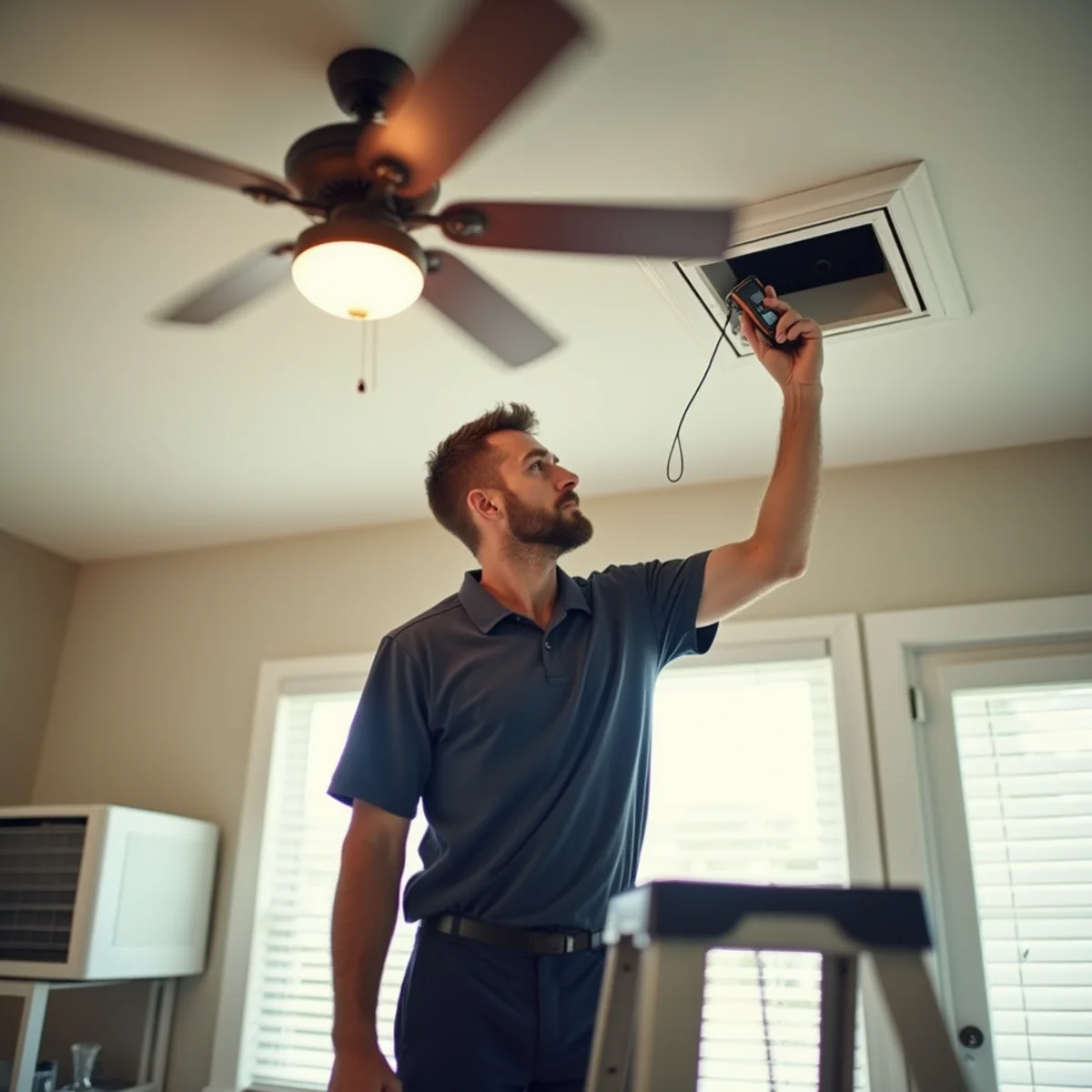
An AC that runs but doesn't cool usually has one of eight problems: a dirty filter or coil, a frozen evaporator coil, a refrigerant leak, a failed capacitor or condenser fan, a dirty outdoor coil, leaky attic ducts, a mismatched system or return, or more heat than it can handle on a 100°F day. A temperature-split reading narrows it down.
First, Measure the Temperature Split
Let the AC run for 15 minutes. Hold a kitchen or digital thermometer at the return grille, then in the supply register closest to the indoor unit. The difference is the temperature split, and a working system usually lands somewhere around 20°F.
| Split (return minus supply) | What it usually points to |
|---|---|
| Roughly 16°F to 22°F | Coil cooling is normal; look at ducts, sizing or heat load (causes 6 to 8) |
| Under about 14°F | Weak cooling: low refrigerant, a stalled outdoor fan, or a dirty outdoor coil (causes 3 to 5) |
| Over about 24°F with weak airflow | Restricted air: dirty filter or coil, or a coil starting to freeze (causes 1 and 2) |
| Supply air near room temperature | The outdoor unit is probably not running; check it and call |
Humidity moves these numbers a few degrees, so treat them as a guide. A rough reading still keeps you from paying for refrigerant when the real problem is a duct lying loose in the attic.
1. A Dirty Filter or Indoor Coil Is Choking Airflow
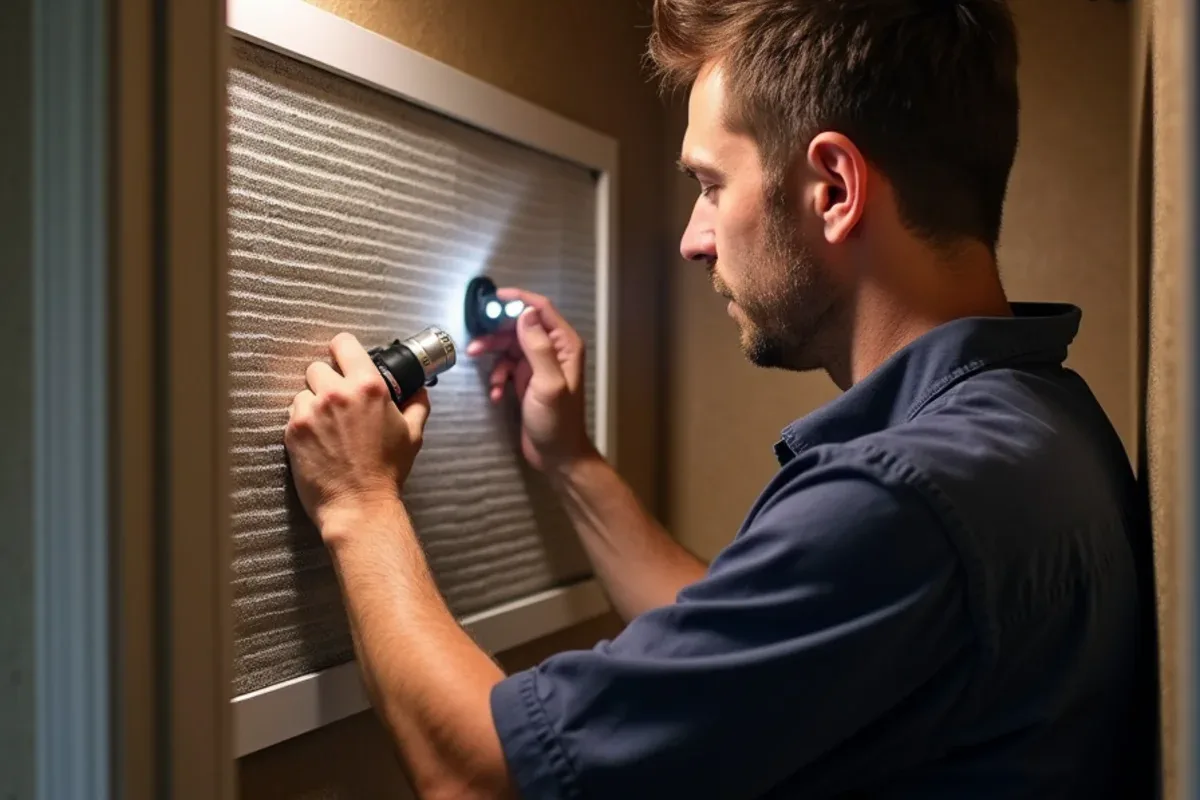
The evaporator coil can only cool the air that reaches it. A clogged filter, a return blocked by furniture, or a coil matted with dust and pet hair cuts airflow, and the system runs for hours moving too little air. Change the filter first. A coil that sat behind thin or missing filters for years usually needs professional cleaning.
2. The Evaporator Coil Has Frozen
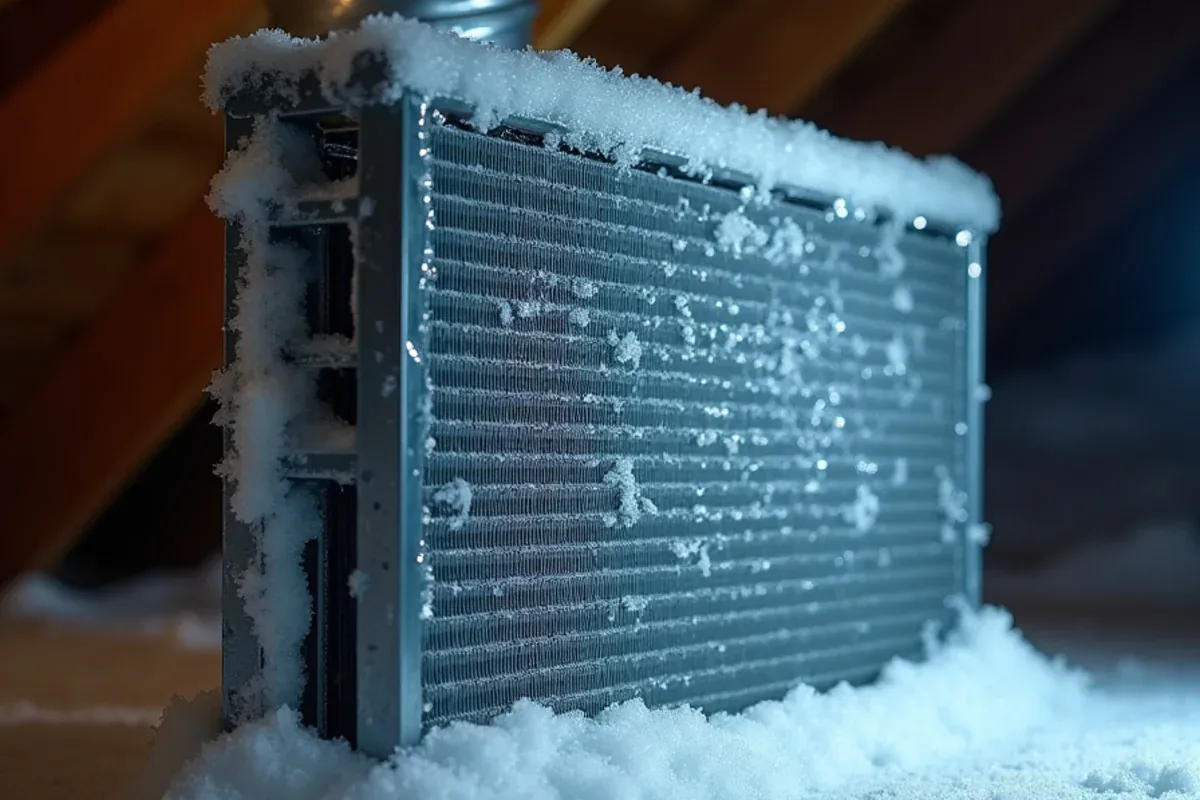
Low airflow or low refrigerant can drop the coil below freezing until ice blocks the air. Look for frost on the larger copper line outside, or water around the indoor unit. Turn cooling off, set the fan to On and let it thaw completely. Our list of what to check when your AC stops working walks through the thaw.
3. Low Refrigerant From a Leak
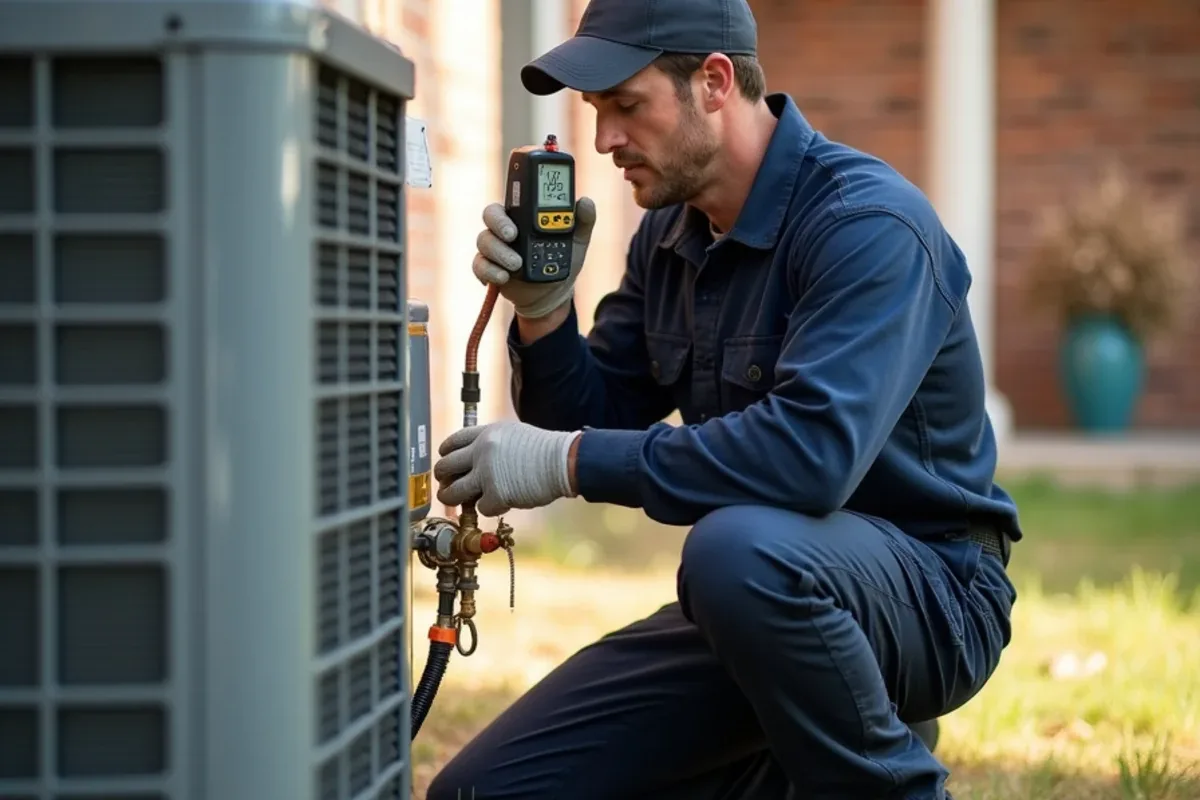
Refrigerant doesn't get used up, so a low charge means a leak, often at the coil, a service valve or a brazed joint. Clues include a low split, an oily spot on the tubing, and an AC that cooled fine in May but struggles by August. A technician with EPA Section 608 certification finds and repairs the leak, then evacuates and recharges to spec. A recharge alone only buys time.
4. A Failed Capacitor or Condenser Fan Motor
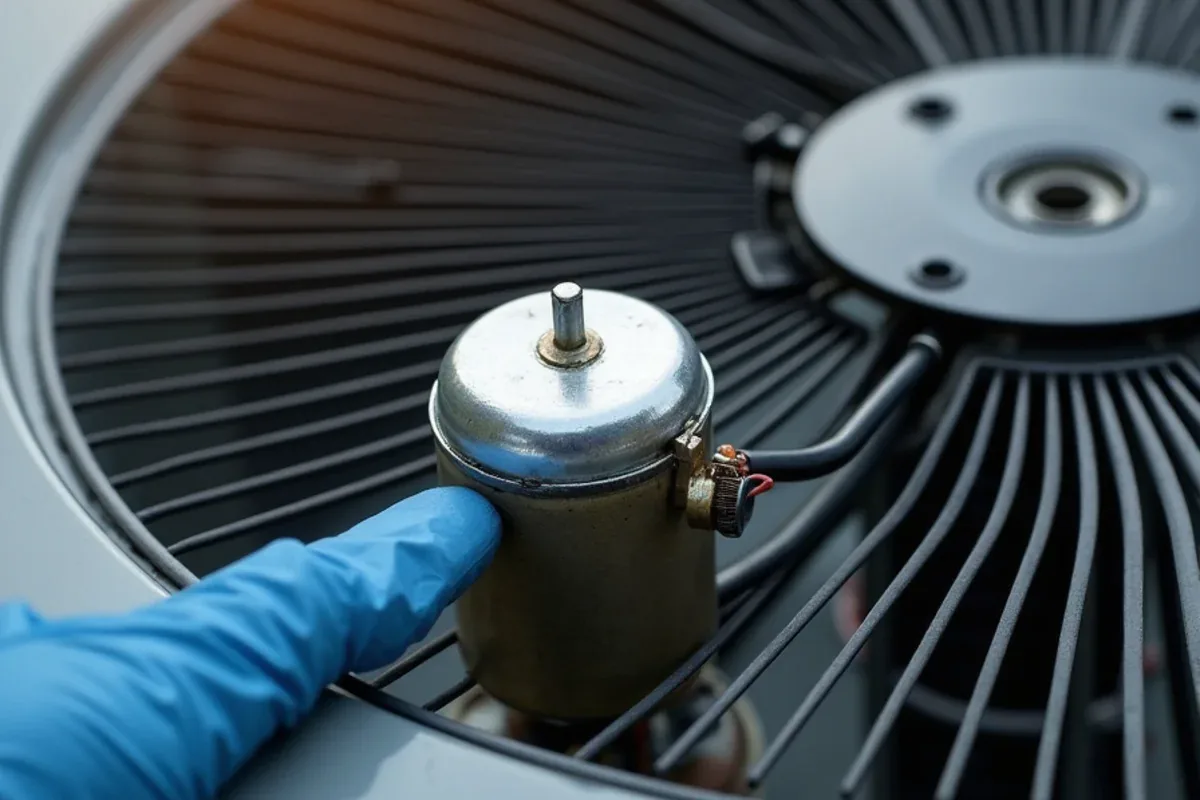
The outdoor fan pulls air across the condenser coil to throw off the heat removed from your house. If the capacitor weakens or the fan motor fails, the compressor can run while the fan sits still, and the heat has nowhere to go. If the fan isn't spinning while the unit hums, turn cooling off and call before the compressor overheats.
5. A Dirty Outdoor Condenser Coil
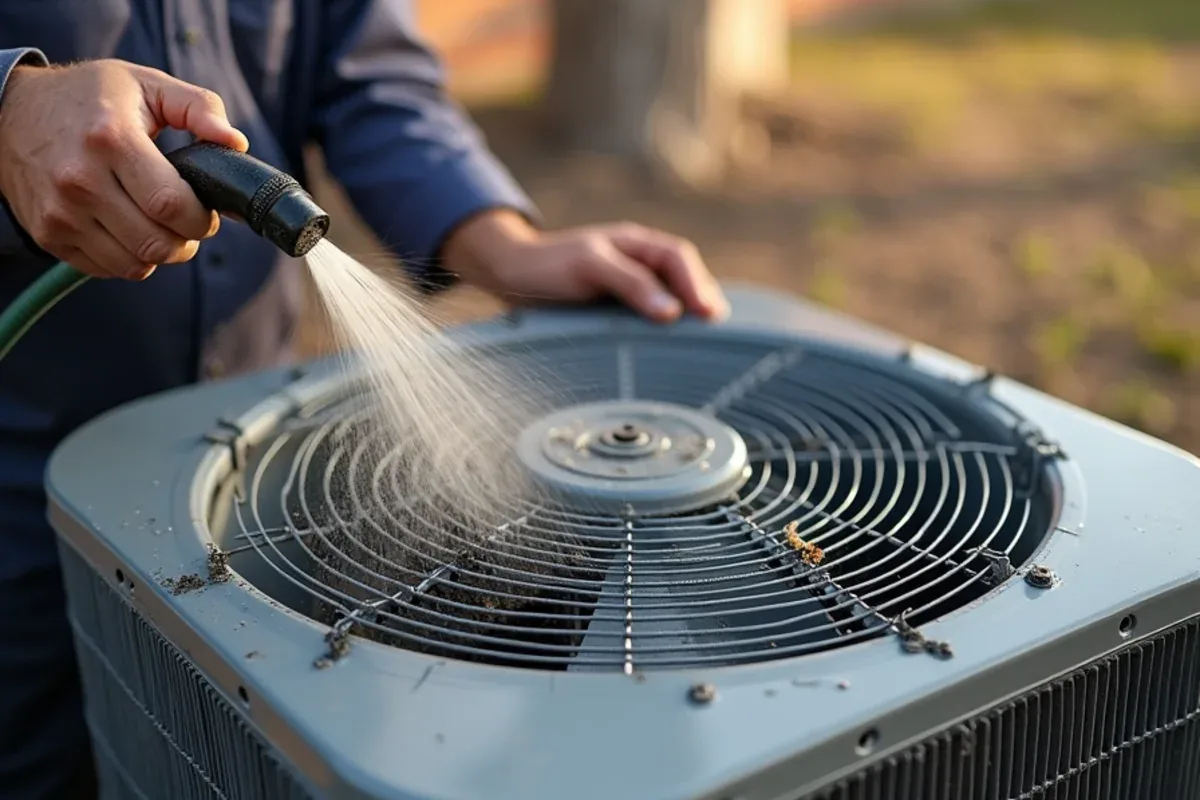
Around Azle the condenser coil collects cottonwood fluff each spring, grass clippings whenever the mower discharges toward it, and dust from caliche and gravel drives. Spring hail flattens fins too. A packed or damaged coil can't shed heat, so cooling fades exactly when it's hottest. With the disconnect off, pull loose debris away by hand and keep shrubs two feet back; chemical cleaning belongs to a tune-up.
6. Leaky or Disconnected Attic Ducts
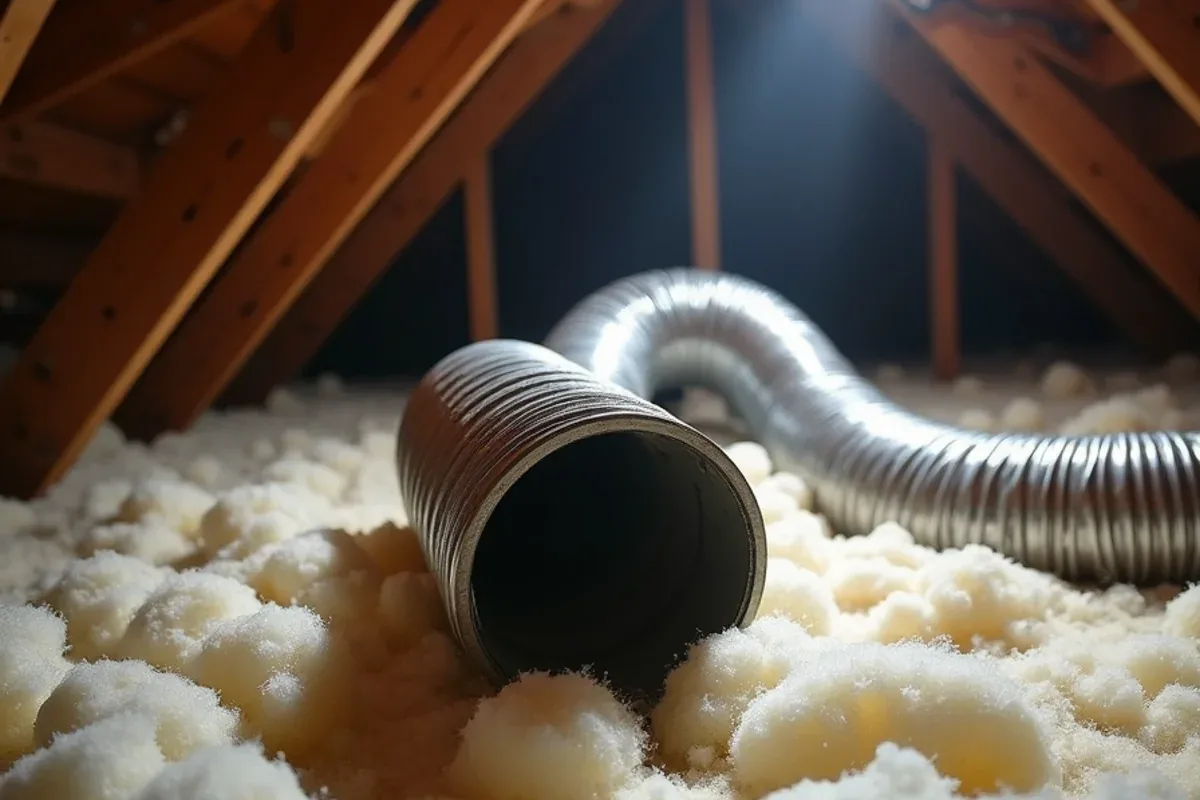
When the register nearest the unit blows cold but the far bedrooms stay warm, suspect the ducts. Attic flex duct in a Texas summer sits in air well above 130°F. Jackets tear, runs sag, and boots pull loose from the ceiling, so a disconnected run cools the attic instead of the bedroom. Leakage testing and repairs fall under air duct repair and replacement, and fixing a loose run often does more than refrigerant work could.
7. A Mismatched System or Undersized Return
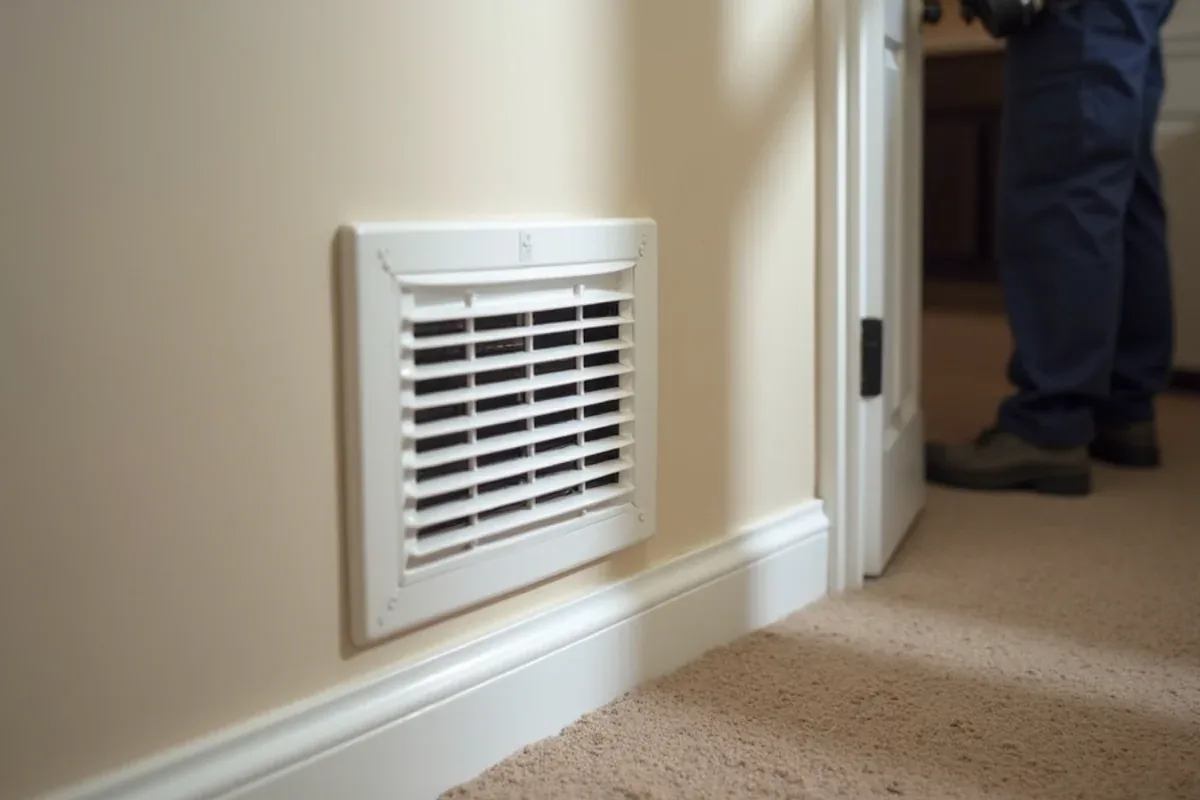
Some systems were never right for the house. An oversized unit cools fast, shuts off and leaves the air damp. An undersized one runs nonstop and falls behind on the hottest afternoons. A return too small for the system starves the blower: whistling grilles, a high split and a coil that runs cold. Adding a return or correcting duct sizing under Manual D can fix what a new condenser wouldn't.
In Saginaw neighborhoods built in the 2000s, builder-grade systems with a single central return are common, and the upstairs of a two-story home usually feels it first.
8. The Setting or the Heat Load Is Asking Too Much
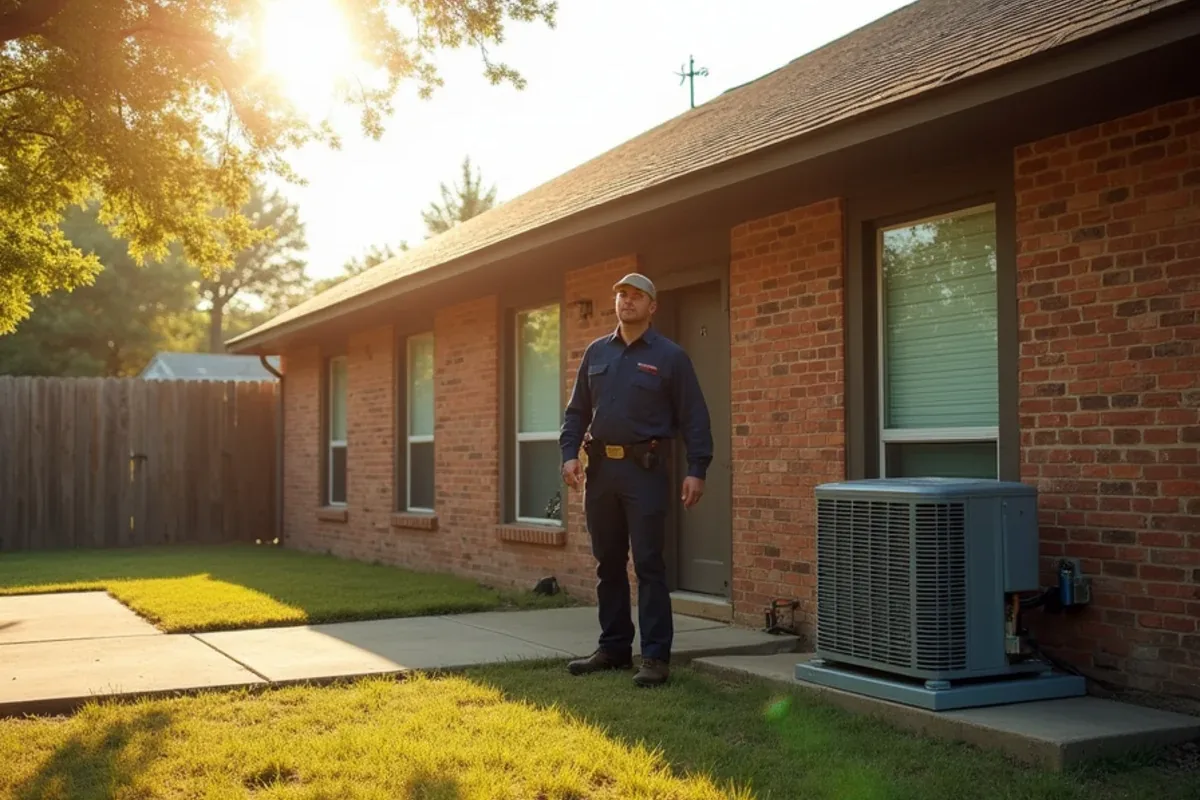
Residential systems in North Texas are typically designed to hold the mid-70s indoors when it's near 100°F outside. On a 105°F afternoon, a healthy system may run for hours and drift a few degrees above the setpoint. That's the design limit, not necessarily a fault, and setting 68 won't cool the house faster.
- Keep the setpoint steady. Letting the house climb to 85 while you're at work means it can't catch up by evening.
- Close blinds on west- and south-facing windows in the afternoon.
- If the split is normal and the house recovers after sunset, the system is likely working as designed.
Check the Fan Switch: ON Versus AUTO
One setting causes a surprising number of "it runs but it's not cold" calls. With the thermostat fan on ON, the indoor blower runs nonstop, so between cooling cycles it pushes room-temperature air out of the vents. It also blows the water that collected on the indoor coil back into the house before it can drain, which leaves rooms feeling clammy on humid nights. On AUTO, the blower runs only while the system is cooling. Leave it on AUTO for summer, and if the air is still warm with the fan on AUTO and the system calling for cool, the cause is somewhere else on this list.
When to Call
Call if the split is low, the coil froze, the outdoor fan isn't turning, or rooms stay warm while the nearest vent blows cold. The technician we send checks refrigerant pressures, airflow, static pressure and duct connections, then gives you a price before work starts. Book through AC repair in Azle and nearby towns, or call (321) 478-0693 any time.
The Bottom Line When the AC Runs but Won't Cool
Start with what you can check safely: the thermostat mode and fan switch, the filter, the breaker and whether the outdoor fan is spinning. Then take the temperature split. A narrow split with a working outdoor unit points to refrigerant or airflow; a normal split with hot rooms points to leaky attic ducts or a weak return; ice or a silent outdoor fan means turn it off and call. In Saginaw's 2000s builder homes and Azle's older ranch houses alike, the fix is usually one part, found by measurement. Call (321) 478-0693 for AC repair, answered 24/7.
From the job site
Notes from 100-degree service calls
During the first long heat wave of a summer, many "running but not cooling" calls come down to two things: a condenser coil caked with cottonwood and clippings, and a tired capacitor that gives out around four in the afternoon when the unit is working hardest. Both are quick to confirm once the panel is off and meters are on.
The duct calls take longer. In older Azle ranch homes the original flex duct often runs across the attic floor under blown insulation, and a boot that slipped loose years ago may have been cooling the attic ever since. Some homeowners have paid for a refrigerant charge before anyone went up to look. Checking static pressure and walking the duct runs before connecting gauges saves money.
- Write down your temperature split and the time of day before you call.
- Note whether one room or the whole house is warm; one room points to the ducts.
- Mow with the discharge pointed away from the condenser.
Related questions
Why is my AC running but the house will not go below 78?
Can low refrigerant make an AC run but not cool?
Why does one room stay hot when the rest of the house is cool?
Is it bad to keep running an AC that is not cooling?
Should the thermostat fan be on ON or AUTO in summer?
Written by the Geaux 72 Air & Heat team for homeowners in Azle and nearby communities. General information, not a diagnosis or engineering advice: leave refrigerant, electrical and gas work to a licensed HVAC technician, who has the final word on your system. Every HVAC contractor we send is licensed and insured in Texas. Last reviewed October 2026.