
AC Troubleshooting
AC Stopped Working? 7 Checks to Make Before You Call
By Geaux 72 Air & HeatUpdated 6 min read
The short answer
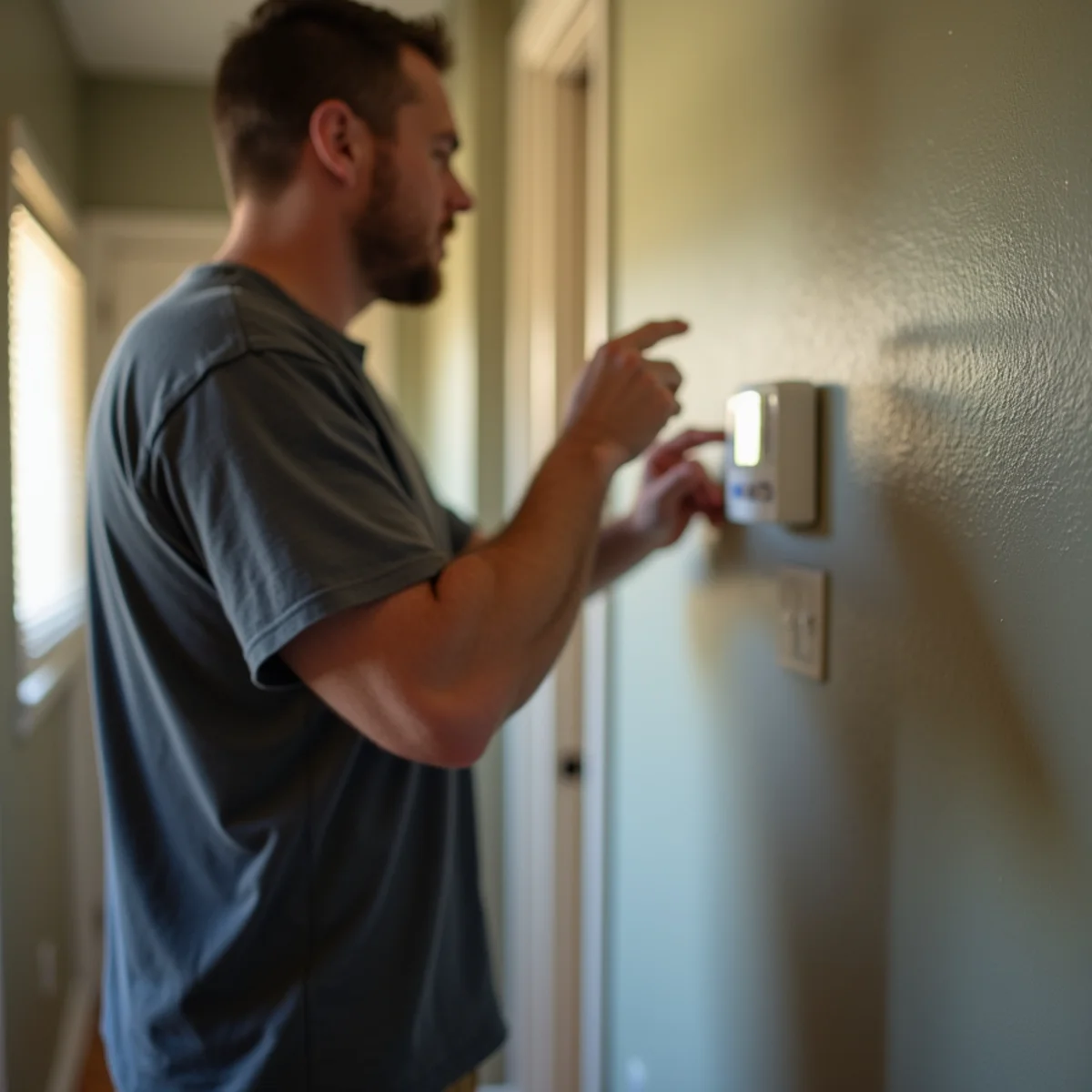
When the AC stops working, check seven things: the thermostat, the AC breaker (reset it once), the outdoor disconnect, the filter, the float switch, ice on the coil or copper line, and debris against the outdoor unit. If a breaker trips again, you smell burning, water is coming through a ceiling or the outdoor unit hums, stop and call.
Before You Start: Keep the Cabinets Closed
Every check below is something you can flip, pull out or look at. None involves opening the outdoor unit, which runs on 240 volts and has a capacitor that can hold a charge after the power is off. Photos of the thermostat, filter and the unit's data plate help the technician.
Check 1: Thermostat Mode, Setpoint and Batteries
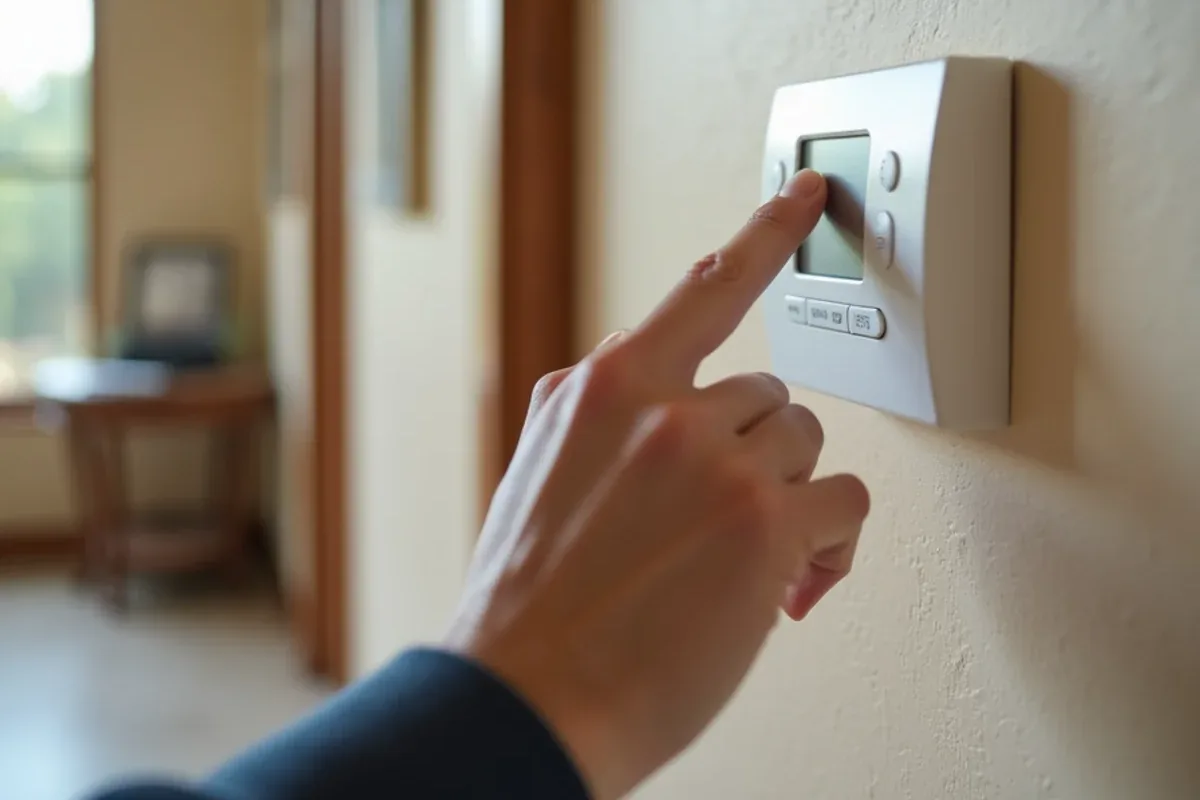
More no-cooling calls start at the wall than people expect. Confirm the system switch says Cool, set the temperature at least three degrees below the room reading, and leave the fan on Auto.
- Blank screen: replace the batteries if it uses them. On a hardwired thermostat, a blank screen can mean the system lost low-voltage power, often from a tripped float switch (Check 5).
- "Cool On" with nothing happening: many systems hold a five-minute delay after a setting change to protect the compressor. Wait it out.
- Smart thermostats: look for an eco setting, a vacation hold or an electric provider's demand-response event that raised the setpoint.
A Blank Thermostat Screen After a Storm or an Outage
A battery thermostat with a blank screen usually just needs fresh batteries. A hard-wired thermostat that goes blank has lost its 24-volt power from the indoor unit, and the common reasons are a tripped breaker or service switch for the furnace or air handler, a float switch that has shut the system down because the drain pan is full, or a small low-voltage fuse on the control board that blew during a surge. Check the breaker and the switch near the indoor unit, then look at Check 5. The board fuse sits inside the cabinet, so leave that one for the technician.
Check 2: The AC Breaker, Reset Once
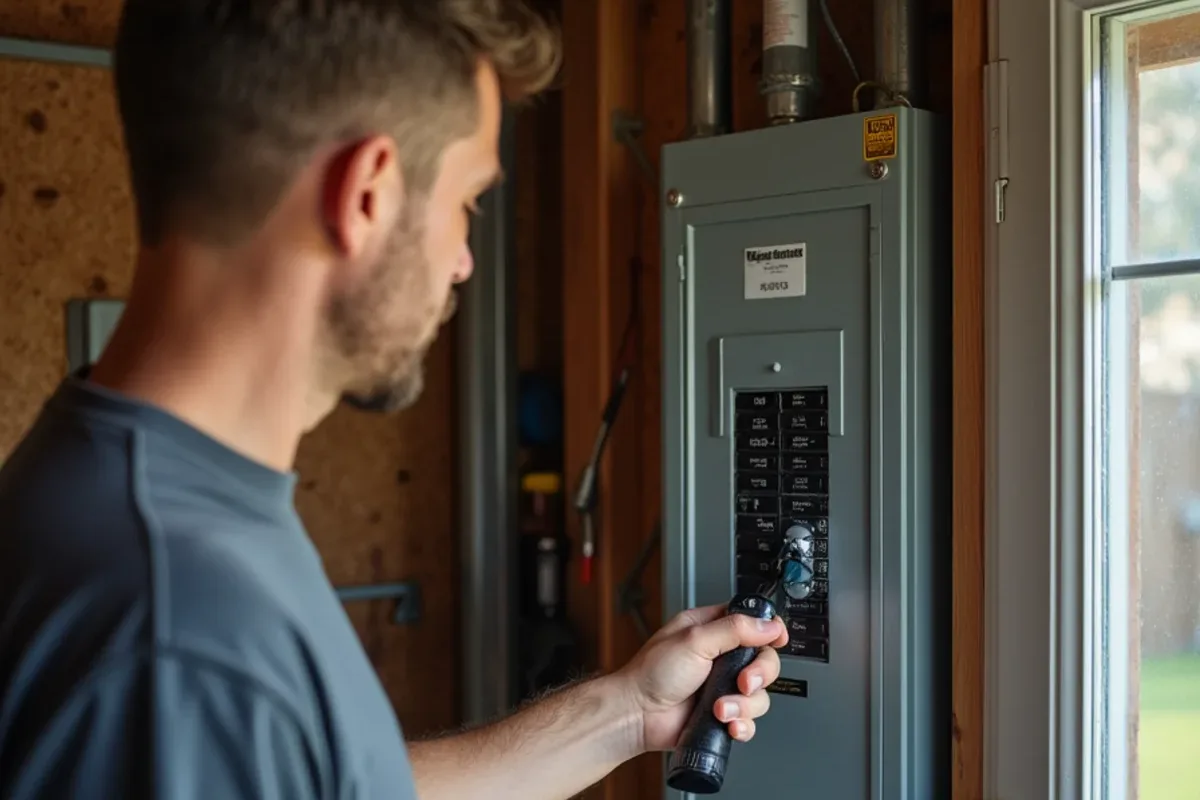
At the main panel, find the breakers marked AC, condenser, air handler or furnace. A tripped one sits out of line with its neighbors. Push it fully off, then back on, one time. Attic and closet air handlers often have their own breaker or a light-style switch on the cabinet, so check that too.
Reset a tripped AC breaker once. If it trips again, leave it off and call. A breaker that keeps tripping is protecting a wire, a shorted compressor or a failing motor, and resetting it repeatedly can turn a modest repair into a burned-out part.
Check 3: The Outdoor Disconnect
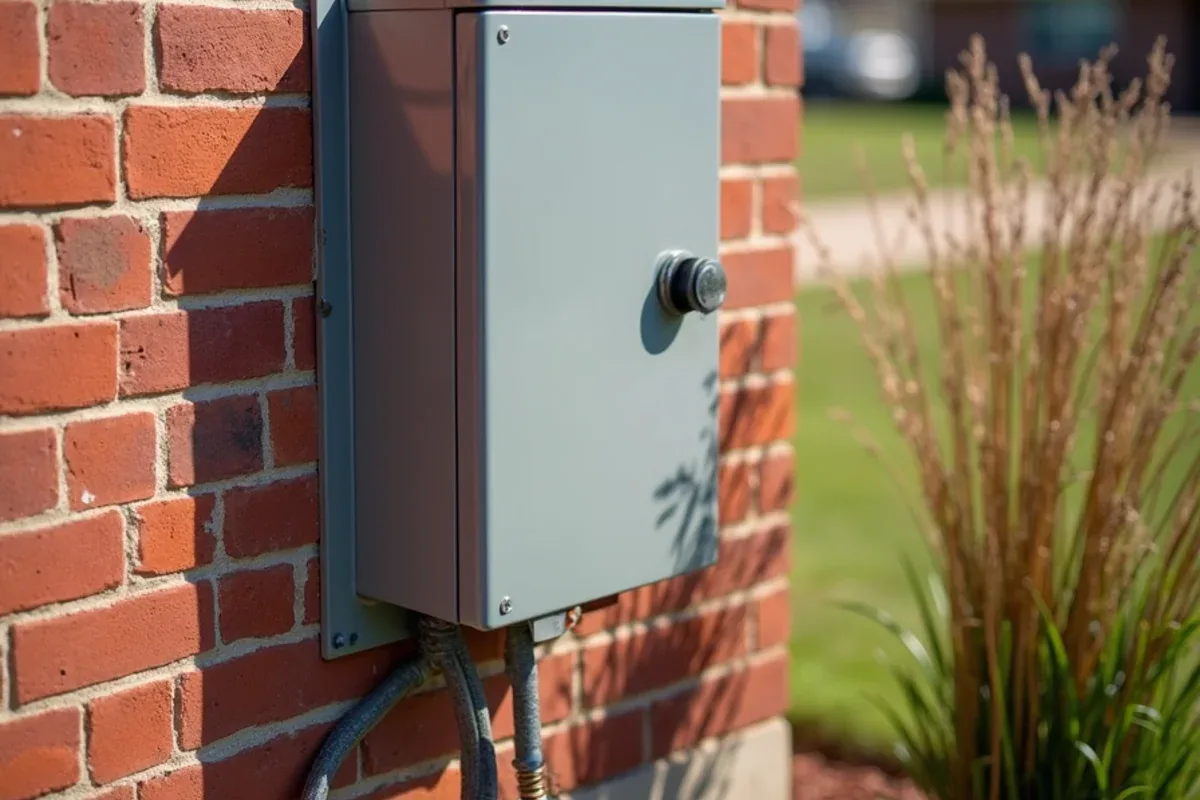
The small gray box on the wall beside the condenser is the disconnect. Lawn crews and painters sometimes leave it off. If it's a lever and you switched it off yourself, turn it back on. If it's off and nobody knows why, or the pull-out block is missing, leave it alone and mention it when you call.
Check 4: The Air Filter
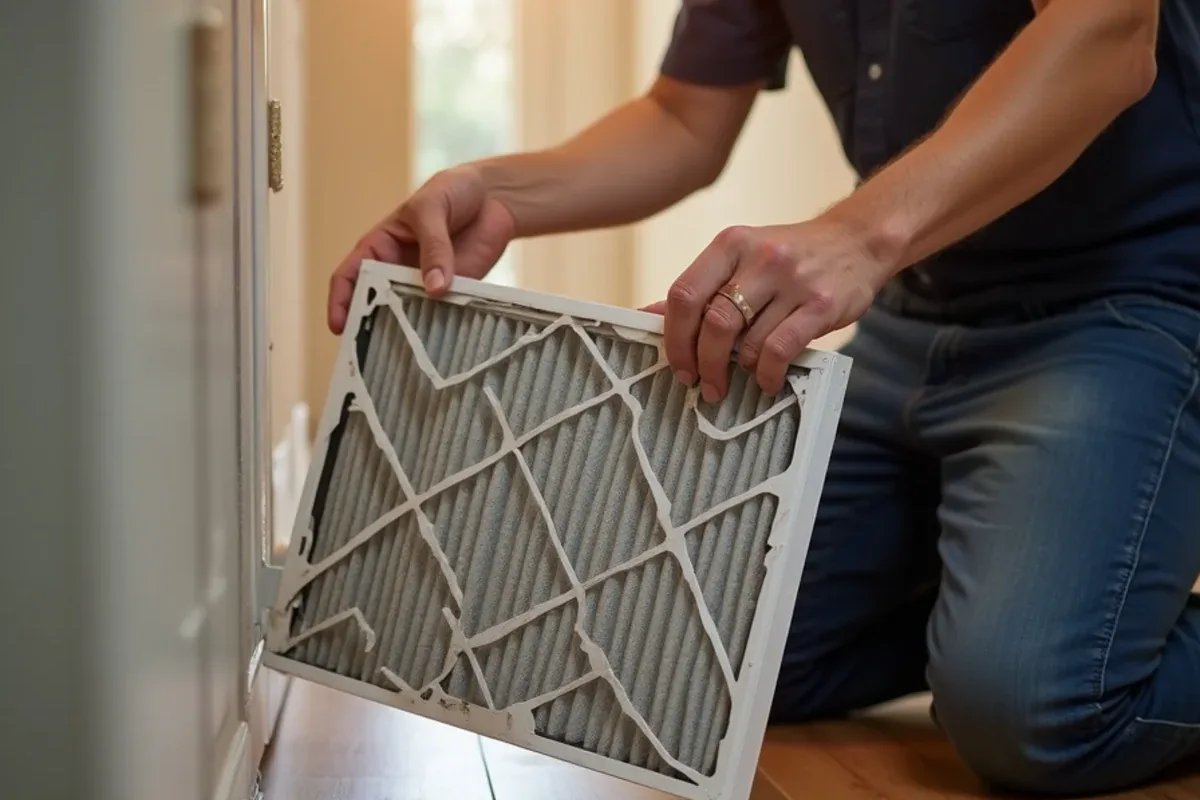
Pull the filter at the return grille or beside the indoor unit. If you can't see light through it, it's starving the system of air, which is the most common road to a frozen coil in a Texas July. Replace it and note the size on the frame. Homes off gravel roads or near pastures can load a 1-inch filter in a few weeks.
Check 5: The Float Switch and Condensate Pan
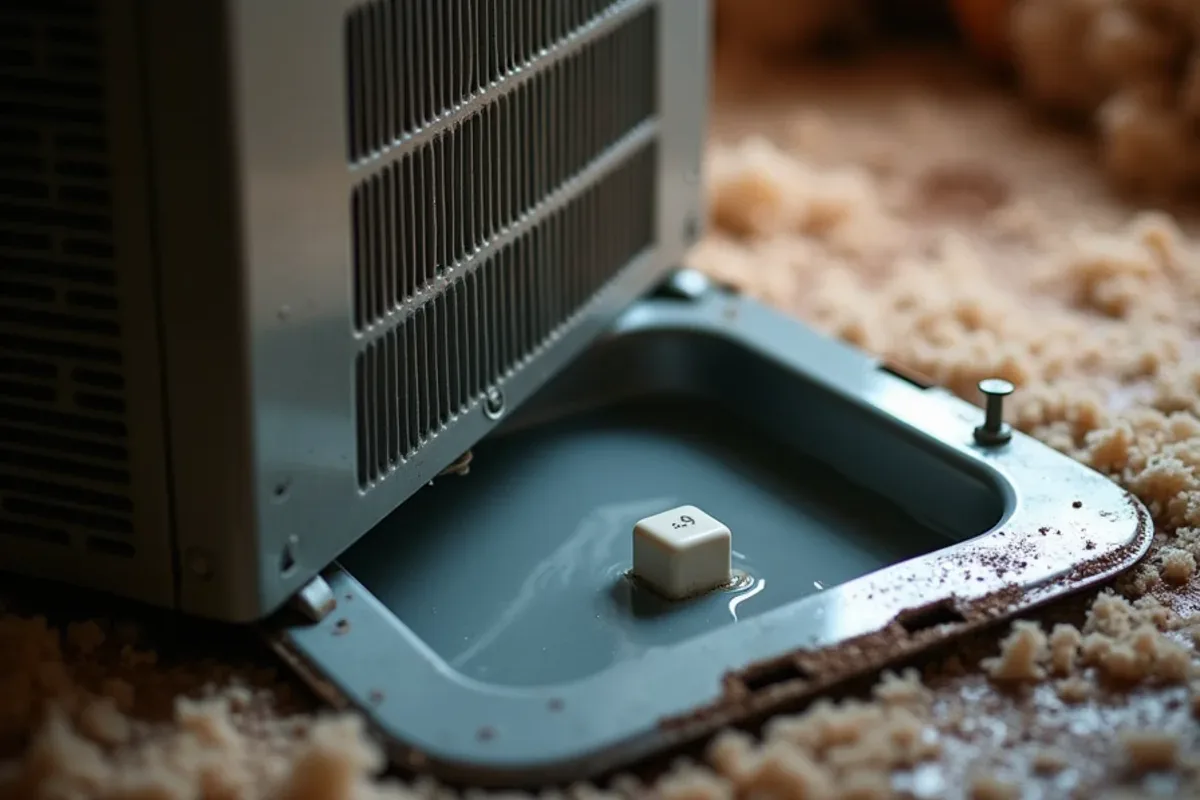
On a humid day an AC pulls gallons of water out of the air. When the condensate line clogs with algae, a float switch in the secondary pan under an attic unit, or clipped onto the drain line, cuts the cooling so the water doesn't come through your ceiling. Standing water in the pan, or a raised float, means the switch did its job.
Don't tape the float down or wire around it. The fix is clearing the drain and checking the primary pan, routine work on an AC repair visit in Azle. A spreading ceiling stain moves this to the top of the list.
Check 6: Ice on the Coil or Copper Line
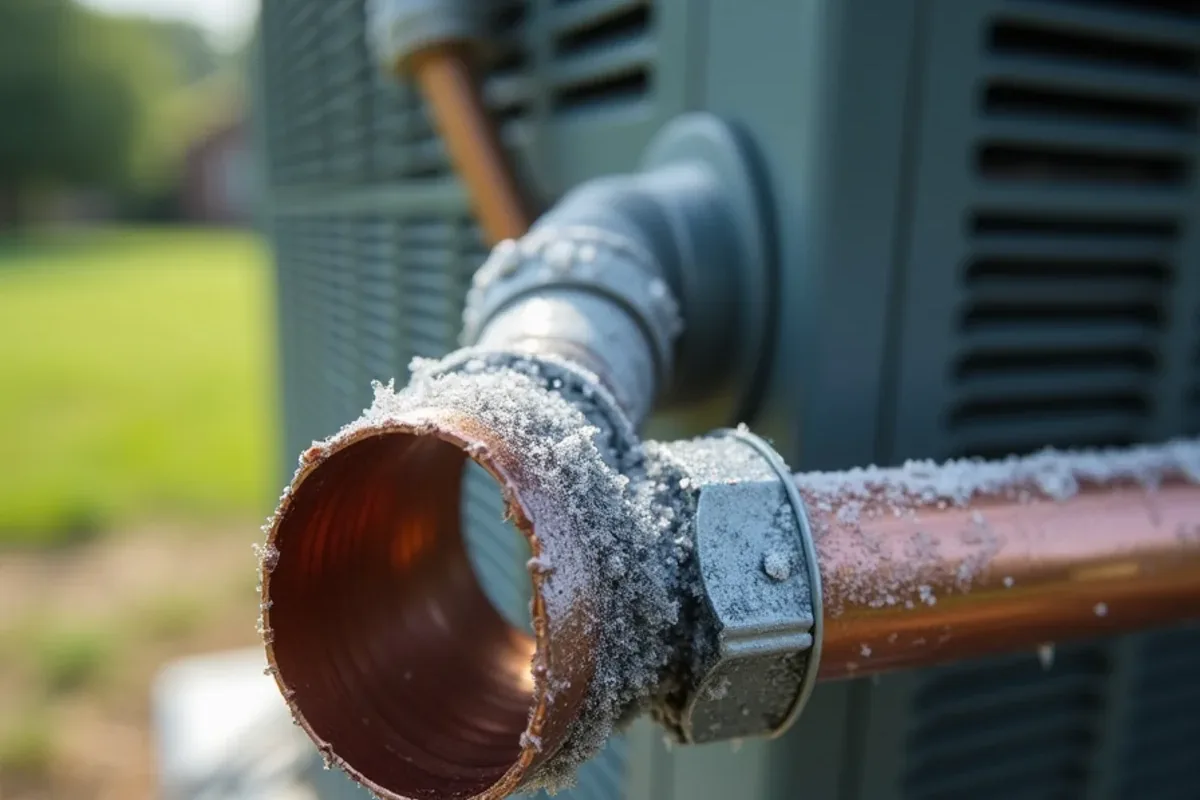
Frost on the larger, insulated copper line or on the indoor coil means the evaporator coil froze, usually from low airflow or a refrigerant leak.
- 1Turn cooling off and switch the fan to On.
- 2Let the fan run until the ice is gone. That can take several hours.
- 3Put towels around the indoor unit for the melt water.
- 4With a fresh filter, try cooling again. If it refreezes, call.
Never chip at the ice. The fins and tubing are thin, and a punctured evaporator coil is one of the costlier repairs.
Check 7: The Outdoor Unit
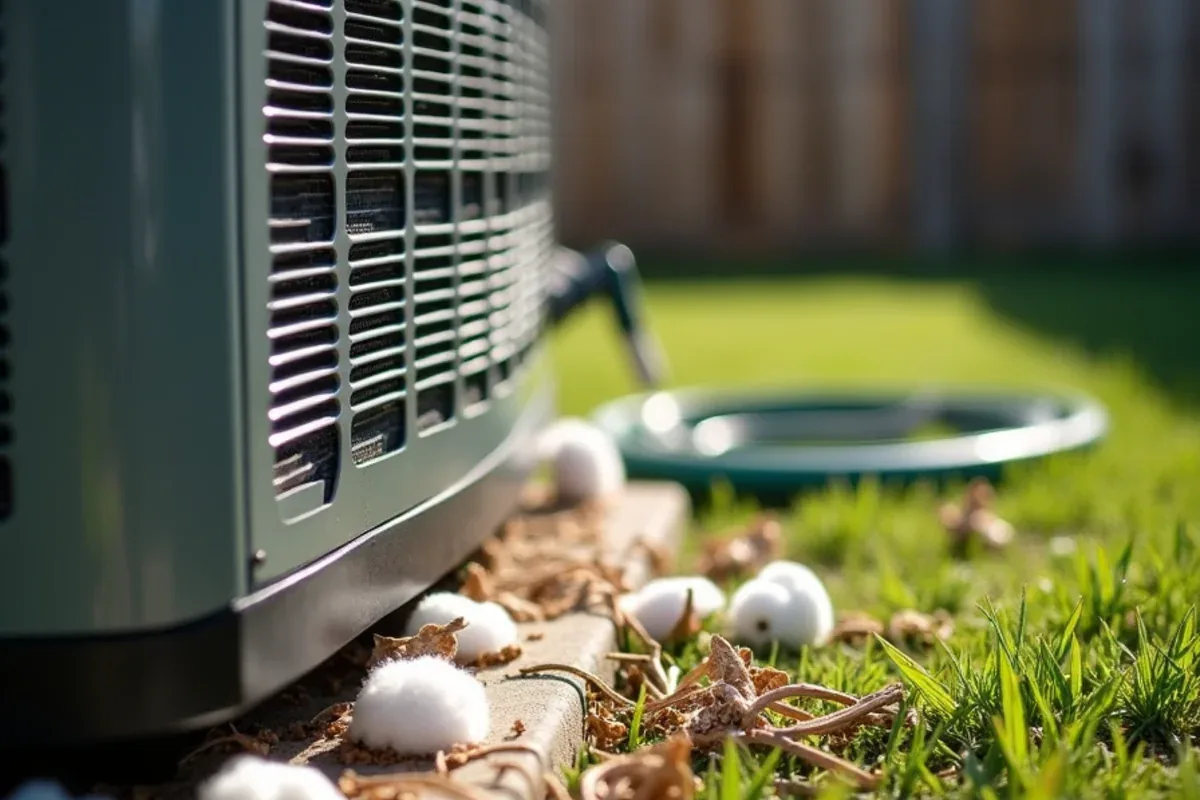
- Fluff, clippings and leaves on the fins. With the disconnect off, pull debris away by hand or with a soft brush and keep two feet clear. Cottonwoods along creeks and the Eagle Mountain Lake shoreline coat coils every spring.
- A hum with the fan standing still. Typically a failed capacitor or condenser fan motor. Turn cooling off and call; running it this way overheats the compressor.
- Clicking or buzzing with nothing starting. Often a contactor or capacitor, also a call.
Stop and Call: The Triggers
| What you notice | What to do |
|---|---|
| Breaker trips a second time | Leave it off and call |
| Burning or electrical smell | System off at the thermostat and breaker, then call |
| Outdoor unit hums, fan not spinning | Cooling off, then call |
| Water through a ceiling or a full secondary pan | System off, catch the water, call |
| Coil freezes again after a full thaw | Cooling off, fan on, call |
| Indoor temperature past the mid-80s with someone vulnerable at home | Call now and move them somewhere cooler |
Don't sit on that last row. If someone at home is elderly, very young, pregnant or medically fragile, treat a dead AC on a hot afternoon as an emergency. Our 24/7 emergency AC repair line is answered around the clock, and we confirm timing on the call based on the nearest available technician.
The same checks apply on acreage. Homes in Springtown are about a 10 to 15 minute drive up SH 199, and many run heat pumps or manufactured-home package units where these checks work the same way.
What to Tell the Dispatcher
Say which checks you did, whether the indoor and outdoor fans run, any sounds or smells, and whether anyone at home is sensitive to heat. Every HVAC contractor we send is licensed and insured in Texas. You get a price before work starts. To talk it through now, call (321) 478-0693.
The Bottom Line Before You Pick Up the Phone
These seven checks are about finding the simple cause safely, not about repairing anything. Fresh batteries, one breaker reset, a clean filter or a thawed coil solve a real share of no-cooling calls in Azle and out toward Springtown. Anything electrical that trips twice, any burning smell, water coming through a ceiling or an outdoor unit that hums without spinning is a job for a technician, so turn the system off and call (321) 478-0693. It is answered 24/7, and emergency AC repair covers nights and weekends.
From the job site
What turns up on no-cooling calls around Azle
The first 100-degree week of the year brings the same short list: run capacitors that bulged after years in a west-facing side yard, contactors with pitted points, and condensate lines that grew a season of algae. Many Azle houses are 1960s to 1990s ranch homes with the air handler in the attic, so a clogged drain shows up as a tripped float switch.
These checks save real time on the visit. A homeowner who can say the breaker held, the filter was clean and the outdoor fan isn't spinning has already narrowed the job to a few parts. A data plate photo also shows whether the system still runs on R-22, which matters fast if refrigerant is involved.
- Lake houses near Pelican Bay and Briar see heavier leaf and cottonwood buildup on condenser coils than most in-town lots.
- After a lightning storm, a unit that won't start often has a tripped breaker or a failed capacitor.
Related questions
Why did my AC stop cooling while the indoor fan keeps running?
Is it safe to keep resetting the AC breaker?
Who answers if my AC quits in the middle of the night?
Why is my thermostat screen blank?
Written by the Geaux 72 Air & Heat team for homeowners in Azle and nearby communities. General information, not a diagnosis or engineering advice: leave refrigerant, electrical and gas work to a licensed HVAC technician, who has the final word on your system. Every HVAC contractor we send is licensed and insured in Texas. Last reviewed October 2026.